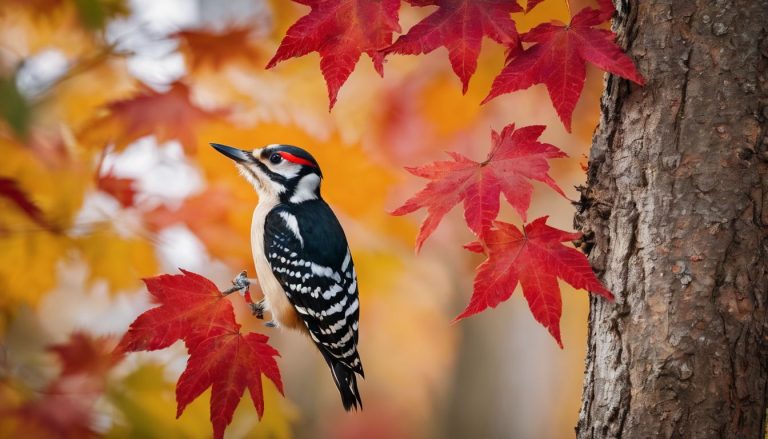
Thump. Flutter. Peck-peck-peck against the glass. A cardinal, robin, or mockingbird has decided your window is either a rival or a mystery, and the noise is driving everyone in the house slightly mad.
Birds peck and strike windows for a handful of repeatable reasons. Once you know which one you are dealing with, the fixes become clearer. This guide covers the main causes, what works, and what usually wastes time.
Key Takeaways
- Most window pecking is either territorial reflection-fighting or confusion with transparent/reflective glass.
- Spring is peak season for territorial attacks, especially by males.
- Breaking up the reflection or making the glass visible from the outside is the real solution.
- Temporary distraction tactics help; permanent markers, film, or screens work better long term.
Reason 1: The Bird Sees a Rival

Glass reflects trees, sky, and the bird itself. During breeding season a territorial male treats that reflection like an intruder that will not leave. Cardinals, robins, towhees, and mockingbirds are frequent offenders. They may return to the same pane for days.
The behavior looks aggressive because it is. From the bird’s point of view, the “other bird” mirrors every move and never backs down.
Reason 2: The Bird Sees a Passage or Habitat
Clear glass can look like open air. Reflective glass can look like more yard. Birds fly into windows at speed when they do not perceive a barrier. That is a collision problem more than a pecking problem, but the same glass treatments help both.
Low flight near houses is common in some conditions; more on that pattern in why birds fly low.
Reason 3: Curiosity, Food, or Nest Materials
Less often, a bird investigates insects on the glass, spider webs in corners, or its own reflection out of curiosity outside peak territorial season. These episodes are usually shorter and less intense.
What Actually Stops the Behavior
Make the outside of the glass obvious. Decals, external screens, tempera paint dots, UV film, or tightly spaced markers (about 2 inches apart vertically or 4 inches horizontally for many guidelines) break up reflections and show a barrier.
Move feeders and baths. Place them either very close to windows (within about 3 feet so birds cannot build fatal speed) or much farther away (30+ feet). Mid-distance setups are the danger zone for collisions.
Temporary cover. Soap the outside, hang streamers, or tape paper on the exterior while you arrange a longer fix. Interior curtains help people; birds need exterior cues.
Fake owls and random shiny objects sometimes buy a day or two. Birds habituate. For sustained results, change what the glass shows. Related deterrence ideas appear in fake owl guides and patio strategies.
Seasonal Pattern
Territorial window attacks spike in spring and can return in early fall when some species re-nest or re-assert space. Outside those windows the same bird may ignore the glass completely.
If the pecking starts suddenly in midsummer, check for a new reflective surface, a recently cleaned window, or a feeder moved into the danger zone.
Is the Bird Hurt?
Repeated light pecking may not injure the bird. High-speed collisions can. A stunned bird on the ground needs quiet space and protection from pets. If it does not recover within a short time, contact a wildlife rehabilitator.
Do not assume every thump is harmless. Prevention is kinder than triage.
Myths to Skip
- “The bird is trying to get in to live with you.” Unlikely. Reflection and passage errors explain almost all cases.
- “A single sticker in the center is enough.” Spacing matters; one decal leaves most of the pane looking open.
- “Interior blinds alone solve it.” They help humans; birds still see exterior reflections.
Authoritative collision-prevention guidance is available from groups such as the National Audubon Society and the Cornell Lab’s bird-friendly building resources.
Practical Home Checklist
- Identify whether the behavior is repeated pecking at one pane (territorial) or flight-into-glass (collision).
- Treat the exterior surface so reflections break up.
- Adjust feeder and bath distances.
- Keep cats away from the strike zone during the peak weeks.
- Reassess after the breeding pulse; you may be able to reduce temporary measures.
FAQ
Why do birds peck at windows?
Most often they see a rival in the reflection or mistake clear/reflective glass for open space or more habitat.
How do I stop a bird from attacking my window?
Break up the exterior reflection with markers, film, screens, or temporary cover on the outside of the glass. Move feeders very close or much farther from the pane.
Is the bird hurt when it pecks the glass?
Light repeated pecking may not injure it; high-speed collisions can. Prevention is better than waiting to see.
Final Thoughts
Birds peck at windows because glass lies to their eyes—either by reflecting a rival or by hiding the fact that solid air starts here. The fix is not yelling at the bird. It is changing the signal the glass sends.
Once the reflection is broken and the pane is visible as a barrier, most of the drama ends. Your nerves, and the bird’s beak, both get a break.

I’m Owen Featherstone, your bird-watching buddy and enthusiast of all things feathered! Armed with binoculars and a notebook, I’m on a never-ending quest to uncover the mysteries of our avian friends. Whether it’s deciphering melodies in a dawn chorus or finding out if hummingbirds ever take coffee breaks, I’m here to share the delightful world of birds with you. So grab your virtual wings, and let’s explore the skies together!